
Glossy vs Matte Tiles: Which Finish Is Right for UK Homeowners
May 20, 2026
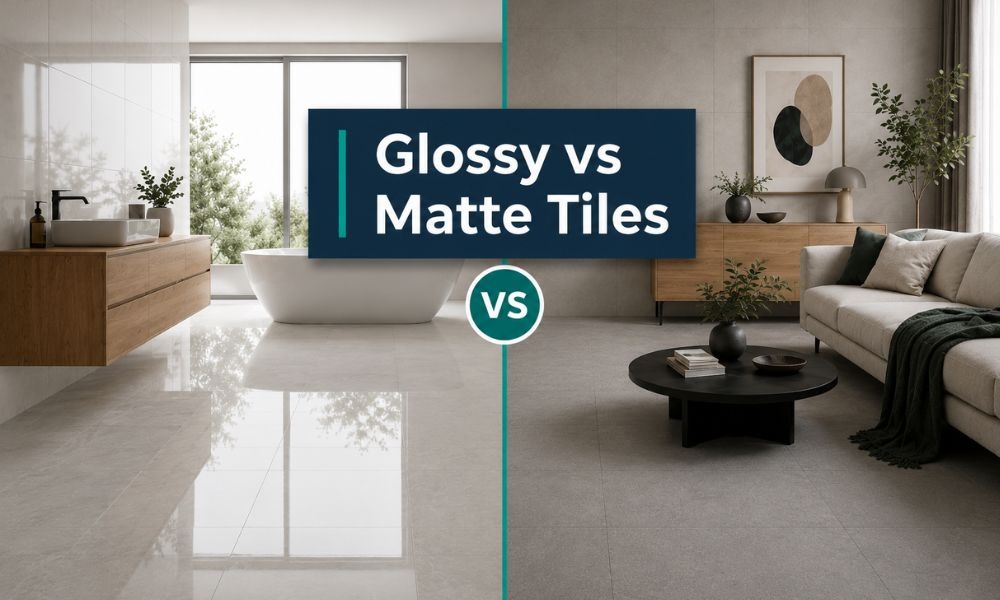
When you are choosing tiles for your home, the colour and size often get all the attention. But the finish, whether glossy or matte, can completely change how a room looks and performs day to day. The wrong choice can mean slippery floors, constant fingerprint marks, or a space that feels darker than you expected. The right choice can make a room feel larger, brighter, and far easier to live with
This guide breaks down the key differences between glossy and matte tiles, covers the pros and cons of each, and gives you clear room-by-room recommendations so you can make a confident decision before you buy.
What Are Glossy Tiles?
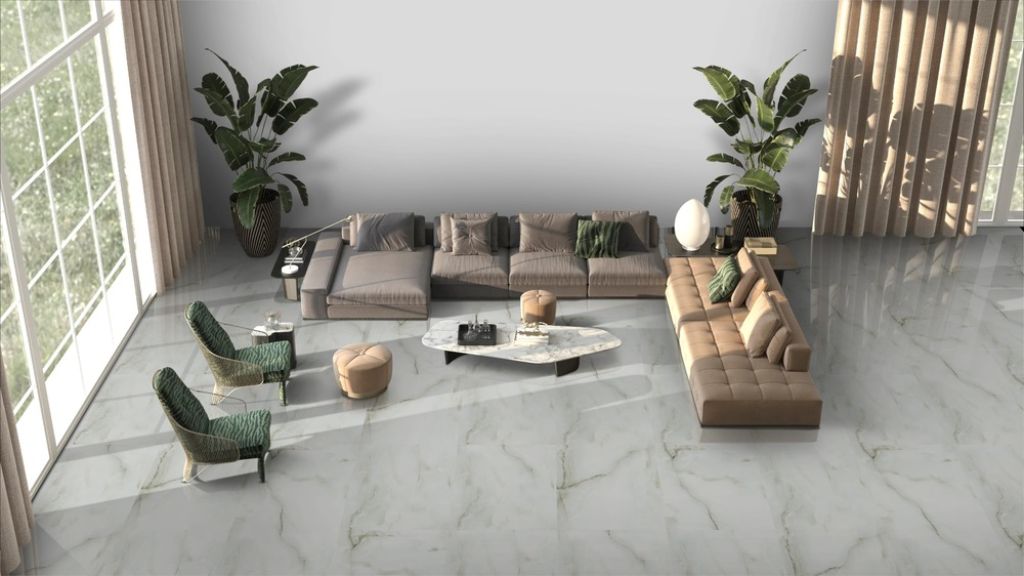
Product: Dolmen Green Glossy Tile from Tile Basket
Glossy tiles have a smooth, shiny surface that reflects light. This reflective quality is created through a polished glaze applied during manufacturing, giving the tile a mirror-like finish. The result is a surface that catches the light and makes colours look richer and more vibrant.
Glossy tiles are most commonly used on bathroom walls, kitchen splashbacks, and feature walls. They suit contemporary and minimalist interiors and work particularly well in smaller or darker rooms where you want to maximise the sense of space and brightness.
Pros of Glossy Tiles
- Reflects light and makes rooms feel brighter and more open
- Enhances colour depth, making tile designs look more vivid
- Easy to wipe clean thanks to the smooth, non-porous surface
- Creates a luxurious, high-end finish on walls and splashbacks
- Works well in small or poorly lit rooms
Cons of Glossy Tiles
- Slippery when wet, making them unsuitable for bathroom or kitchen floors without a slip-rated finish
- Shows fingerprints, water spots, and smudges more easily
- Requires more frequent cleaning to maintain the shine
- Scratches are more visible under direct light
- Minor installation imperfections are harder to hide on a reflective surface
What Are Matte Tiles?
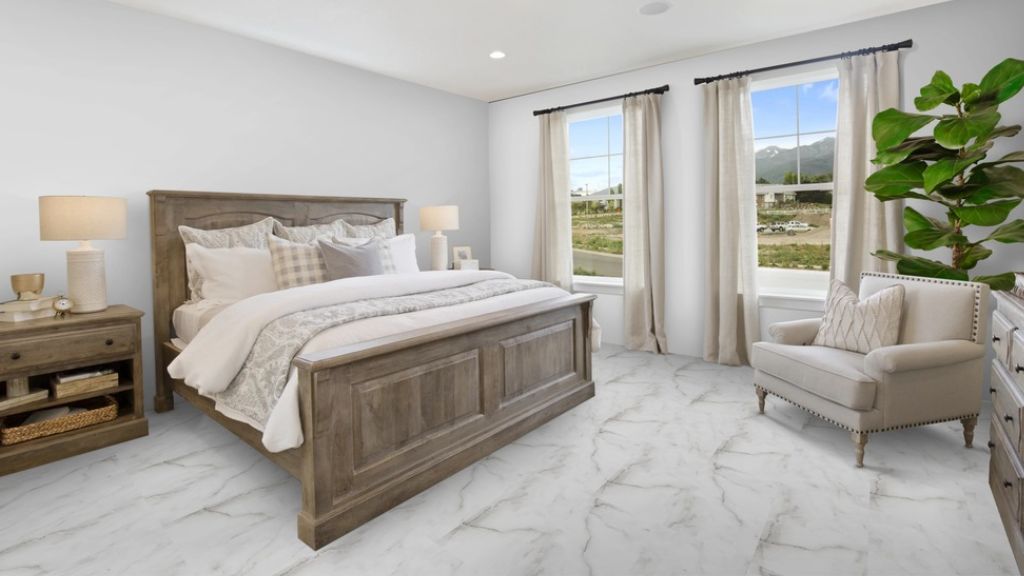
Product: Dolmen Grey Matt Tile from Tile Basket
Matte tiles have a non-reflective, flat finish that absorbs light rather than bouncing it around the room. The surface feels slightly textured to the touch, which gives it both its distinctive look and its practical advantages in wet or high-traffic areas.
Matte tiles are popular for bathroom floors, kitchen floors, hallways, and living rooms. They suit a wide range of interiors, from modern and Scandinavian-inspired designs to rustic, industrial, and natural styles. In UK homes, where the spa-inspired bathroom look has become increasingly popular, matte finishes are now one of the most commonly chosen tile options.
Pros of Matte Tiles
- Better slip resistance, making them a much safer choice for floors and wet areas
- Hides smudges, water marks, and everyday dust far better than a glossy finish
- Scratch-resistant surface conceals everyday wear and minor scuffs
- Warm, natural appearance that suits a wide variety of interior styles
- More forgiving during installation as the finish disguises minor imperfections
Cons of Matte Tiles
- Textured surface can trap soap residue and grout haze, requiring a more thorough clean
- Absorbs light rather than reflecting it, which can make very small or dark rooms feel more enclosed
- Colours appear slightly more muted compared to the same tile in a glossy finish
- Not ideal for tiny bathrooms with no natural light, where a glossy wall tile would perform better
Glossy vs Matte Tiles: Side-by-Side Comparison
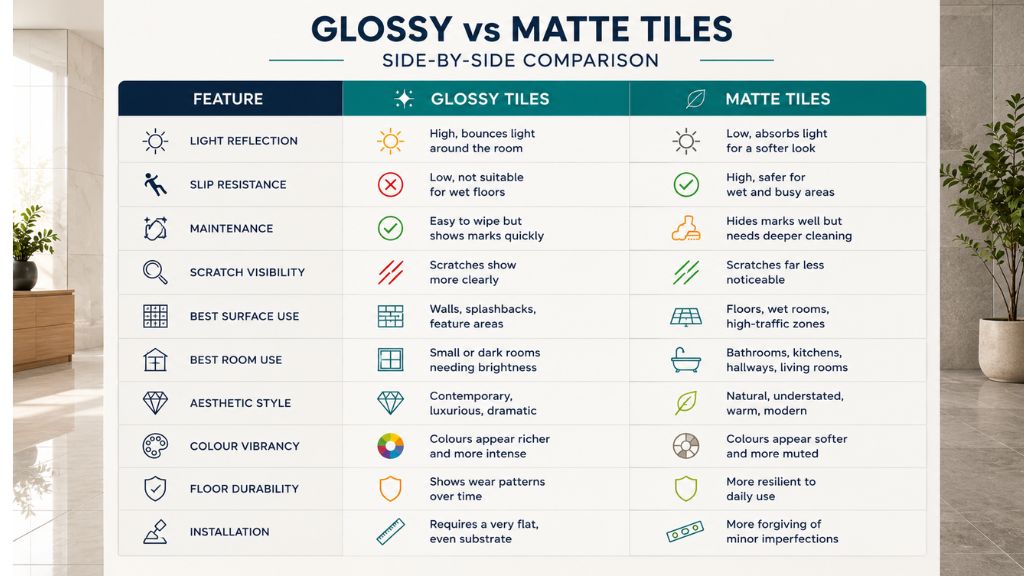
| Feature | Glossy Tiles | Matte Tiles |
| Light Reflection | High, bounces light around the room | Low, absorbs light for a softer look |
| Slip Resistance | Low, not suitable for wet floors | High, safer for floors and wet areas |
| Maintenance | Easy to wipe but shows marks quickly | Hides marks well but needs deeper cleaning |
| Scratch Visibility | Scratches show more clearly | Scratches far less noticeable |
| Best Surface Use | Walls, splashbacks, feature areas | Floors, wet rooms, high-traffic zones |
| Best Room Use | Small or dark rooms need brightness | Bathrooms, kitchens, hallways, and living rooms |
| Aesthetic Style | Contemporary, luxurious, dramatic | Natural, understated, warm, modern |
| Colour Vibrancy | Colours appear richer and more intense | Colours appear softer and more muted |
| Floor Durability | Shows wear patterns over time | More resilient to daily use |
| Installation | Requires a very flat, even substrate | More forgiving of minor imperfections |
Both finishes are available across porcelain and ceramic ranges at similar price points. The finish itself does not significantly affect cost. If you want to explore what is available before committing, you can buy tiles online in London and across the UK at Tile Basket, with free delivery on qualifying orders.
Glossy or Matte Tiles: Which Is Better for Each Room?
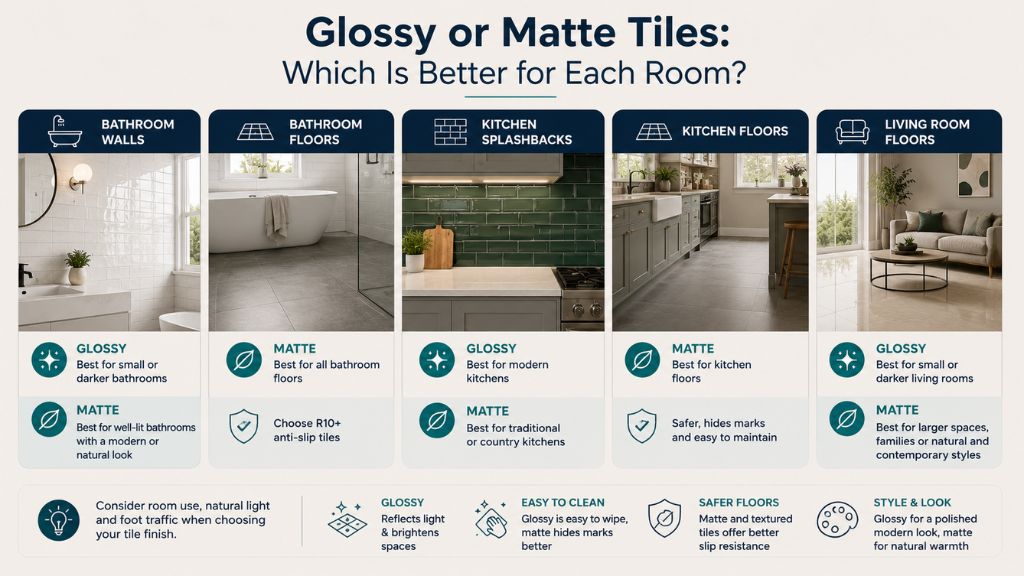
The finish you choose should always be guided by how the room is used, how much natural light it gets, and how much foot traffic it sees. Here is a room-by-room breakdown.
Bathroom Walls: Glossy or Matte?
For bathroom walls, glossy tiles are typically the stronger choice in most UK homes. British bathrooms are often compact and can feel dark, especially in flats or terraced houses. A glossy white or light-coloured tile on the walls reflects light effectively and makes the space feel noticeably larger and brighter.
Glossy tiles on bathroom walls are also very practical. Soap residue and water splashes wipe off quickly with a damp cloth, which matters in a room that sees daily moisture.
That said, matte bathroom wall tiles have grown in popularity for a more contemporary, spa-inspired look. If your bathroom has good natural light and you are going for a calm, natural aesthetic, matte tiles in a warm grey, sage green, or stone tone can look outstanding.
Verdict: Glossy for small or darker bathrooms. Matte for well-lit bathrooms with a modern or natural design brief.
If you are planning a bathroom refresh, you can buy bathroom tiles online at Tile Basket in both finishes, with a range that covers everything from classic white gloss to large-format matte stone effects.
Bathroom Floors: Glossy or Matte?
For bathroom floors, matte tiles are strongly recommended. Wet bathroom floors are one of the most common causes of slips at home, and glossy tiles offer very little grip underfoot when wet. Look for tiles with an R10 or higher slip resistance rating when choosing a bathroom floor tile. Most matte porcelain options meet or exceed this standard
Verdict: Matte, or a textured anti-slip porcelain, for all bathroom floors. Avoid glossy surfaces on any floor surface that is likely to get wet.
Kitchen Splashbacks: Glossy or Matte?
Glossy tiles are excellent for kitchen splashbacks. They are easy to wipe clean after cooking, they reflect light from pendants and under-cabinet lighting, and they give a kitchen a crisp, polished appearance. A high-gloss metro tile, a plain gloss in a bold colour, or even a statement deep green or navy splashback can become a real focal point.
Matte splashbacks work well in more rustic or Shaker-style kitchens where a softer, less polished look suits the overall scheme.
Verdict: Glossy for modern kitchens. Matte for traditional or country-style kitchens.
Tile Basket stocks a wide range of kitchen tiles to suit both approaches. If you are ready to explore your options, you can buy kitchen tiles online in the UK and take advantage of free delivery on qualifying orders.
Kitchen Floors: Glossy or Matte?
Kitchen floors take constant punishment from cooking spills, muddy shoes, and daily foot traffic. Matte tiles are the clear winner here. A matte finish hides food debris, water splashes, and scuff marks far better, and the surface is safer underfoot when wet spills happen.
Verdict: Matte tiles for kitchen floors without question. A glossy kitchen floor is impractical for most UK households.
Living Room Floors: Glossy or Matte?
Living rooms offer the most flexibility when it comes to finishes. In smaller UK living rooms, a glossy or high-gloss tile can help the space feel larger and brighter. In open-plan rooms with generous natural light, matte tiles in a stone or concrete effect create a warm, sophisticated atmosphere that works beautifully with most furniture styles.
For families with children or pets, a matte finish is also the more practical day-to-day choice. It hides everyday marks and requires less wiping down throughout the week. If you are thinking about colour alongside finish for your living room, our guide on the best tile colour ideas for the living room covers the two decisions together and is worth reading before you finalise your choice. You can also buy living room tiles UK directly from Tile Basket across a wide range of finishes and sizes.
Verdict: Glossy for small or darker living rooms. Matte for larger spaces, families, or natural and contemporary styles.
Can You Mix Glossy and Matte Tiles in the Same Room?
Yes, and it is an increasingly popular approach in UK home design. Mixing finishes adds depth and visual interest without needing to introduce a second colour or pattern.
The most common combination is a matte floor tile paired with a glossy wall tile. This balances practicality on the floor with brightness on the walls, which works especially well in bathrooms and kitchens.
A few tips for mixing finishes successfully:
- Keep the colour palette consistent. A matte grey floor with a glossy grey wall tile creates a cohesive, layered look.
- Limit yourself to two finishes per room to avoid visual overload.
- Use a glossy feature tile or decorative border within a matte-tiled wall for a subtle contrast effect.
- Make sure both tiles come from compatible ranges so the thickness and edge profile are similar, which makes grouting more straightforward.
If you are planning a floor and wall combination, you can order floor tiles online alongside wall options at Tile Basket. The range includes coordinating glossy and matte porcelain designed to work together across different rooms.
How to Choose: 5 Questions to Ask Before You Buy
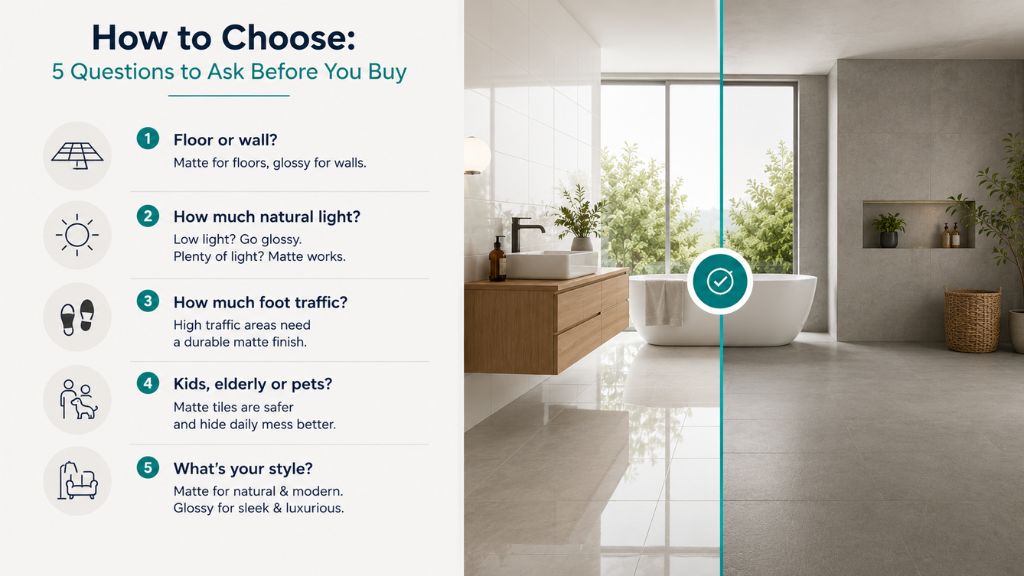
If you are still unsure which finish is right for your project, work through these five questions before deciding.
- Is this for a floor or a wall? Matte for floors in almost all cases. Glossy works well on walls and splashbacks.
- How much natural light does the room get? Rooms with low light benefit from glossy tiles on the walls. Rooms with plenty of natural light can take a matte finish without feeling enclosed.
- How much foot traffic will this area see? High-traffic areas like hallways, kitchens, and living rooms need a durable matte finish. Lower-traffic areas have more flexibility.
- Do you have young children, elderly family members, or pets? In busy family homes, matte tiles are the practical choice for all floors. They are safer underfoot and hide everyday mess far better.
- What interior style are you going for? Modern, industrial, Scandi, and spa-inspired styles lean towards matte. Luxurious, high-gloss contemporary spaces can work beautifully with glossy tiles on the walls.
Conclusion
Choosing between glossy and matte tiles is less about personal preference and more about matching the finish to the job it needs to do. Use glossy tiles on walls and splashbacks, especially in rooms that need more light. Use matte tiles on floors and in any space that sees regular moisture or heavy foot traffic.
If you are weighing up other tile decisions alongside finish, our guides on large vs small format tiles and top kitchen tile trends for UK homes are worth reading too. Size, finish, and style work together, so it helps to consider all three before you buy.
At Tile Basket, you will find both glossy and matte porcelain and ceramic tiles across every room category, with free delivery across the UK on qualifying orders. Browse the full collection of online wall tiles in London and beyond, and find the right finish for every room in your home. Contact us today to get expert guidance on transforming your home with confidence.
Frequently Asked Questions
Are matte tiles harder to clean than glossy tiles?
Not significantly. Matte tiles hide marks better day to day, so they look cleaner between cleans. However, the slightly textured surface can trap soap residue in wet areas, which means they benefit from a deeper clean every few weeks. Glossy tiles are quicker to wipe but show every mark almost immediately.
Which is better for a small bathroom: glossy or matte?
For a small UK bathroom, glossy tiles on the walls are generally the better choice. They reflect light and help the room feel larger and brighter. You can still use a matte tile on the floor for safety. This combination of matte floor with glossy walls is one of the most popular approaches in smaller British bathrooms.
Are glossy tiles slippery?
Yes. Glossy tiles have very low slip resistance when wet and are not recommended for bathroom floors, kitchen floors, wet rooms, or outdoor areas unless they carry a specific anti-slip rating. Always check the slip rating before using any tile on a floor in a wet environment.
Do matte tiles show dirt?
Matte tiles hide everyday dust, footprints, and water marks very well. However, the textured surface can hold onto soap scum or grout residue in wet areas, which benefits from a more thorough clean. On balance, matte tiles need less frequent wiping but do need a proper clean when you get round to it.
Which tile finish is more durable for floors?
Matte tiles are generally more durable on floors. The non-reflective surface conceals scratches and surface wear, meaning the tile continues to look good even after years of use. Glossy floor tiles can start to show wear patterns and surface marks more clearly over time, particularly in high-traffic areas.
Can I use glossy tiles on bathroom floors?
You can, but it is not recommended without a specific anti-slip treatment or slip rating. Textured or unglazed porcelain with an R10 or R11 rating is the recommended choice for bathroom floors in the UK, and most of these will have a matte or structured finish.