
Porcelain vs Ceramic Tiles: What’s the Difference?
February 25, 2026
Walk into any tile shop and you’ll find shelves of beautiful tiles labelled either ceramic or porcelain. They look similar. They’re priced differently. And most people have no idea what actually separates them.
You’re not alone. It is one of the most common questions homeowners ask before a bathroom renovation or kitchen update. The difference between porcelain and ceramic tiles is not always obvious just from looking at them, but it matters a great deal once you are choosing tiles for your home.
This guide breaks it all down in plain, no-nonsense language so you can make the right choice for your space, your budget and your lifestyle.
How Are Ceramic and Porcelain Tiles Actually Made?
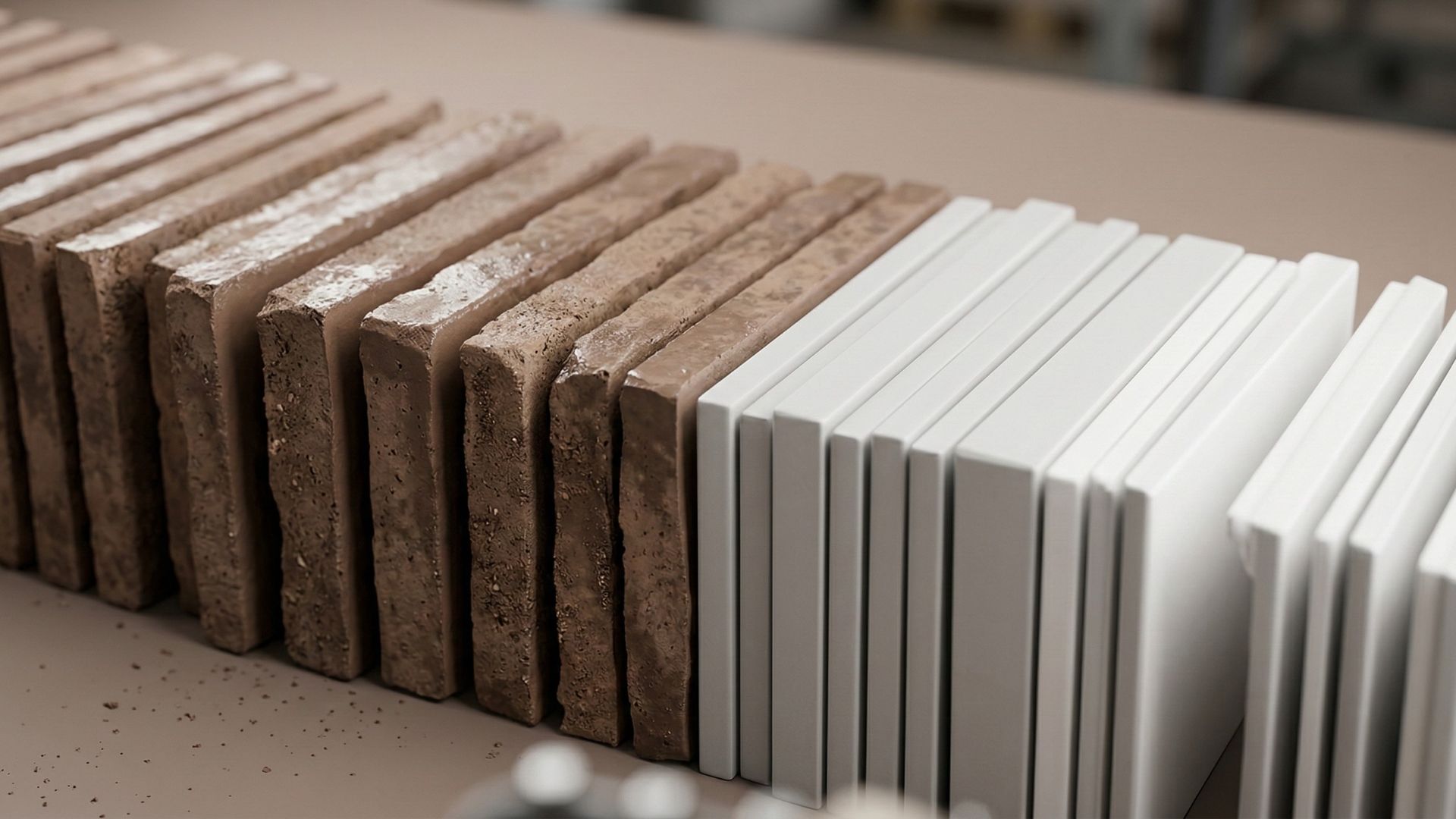
Both start life in the same place: clay. That is where the similarities begin to fade.
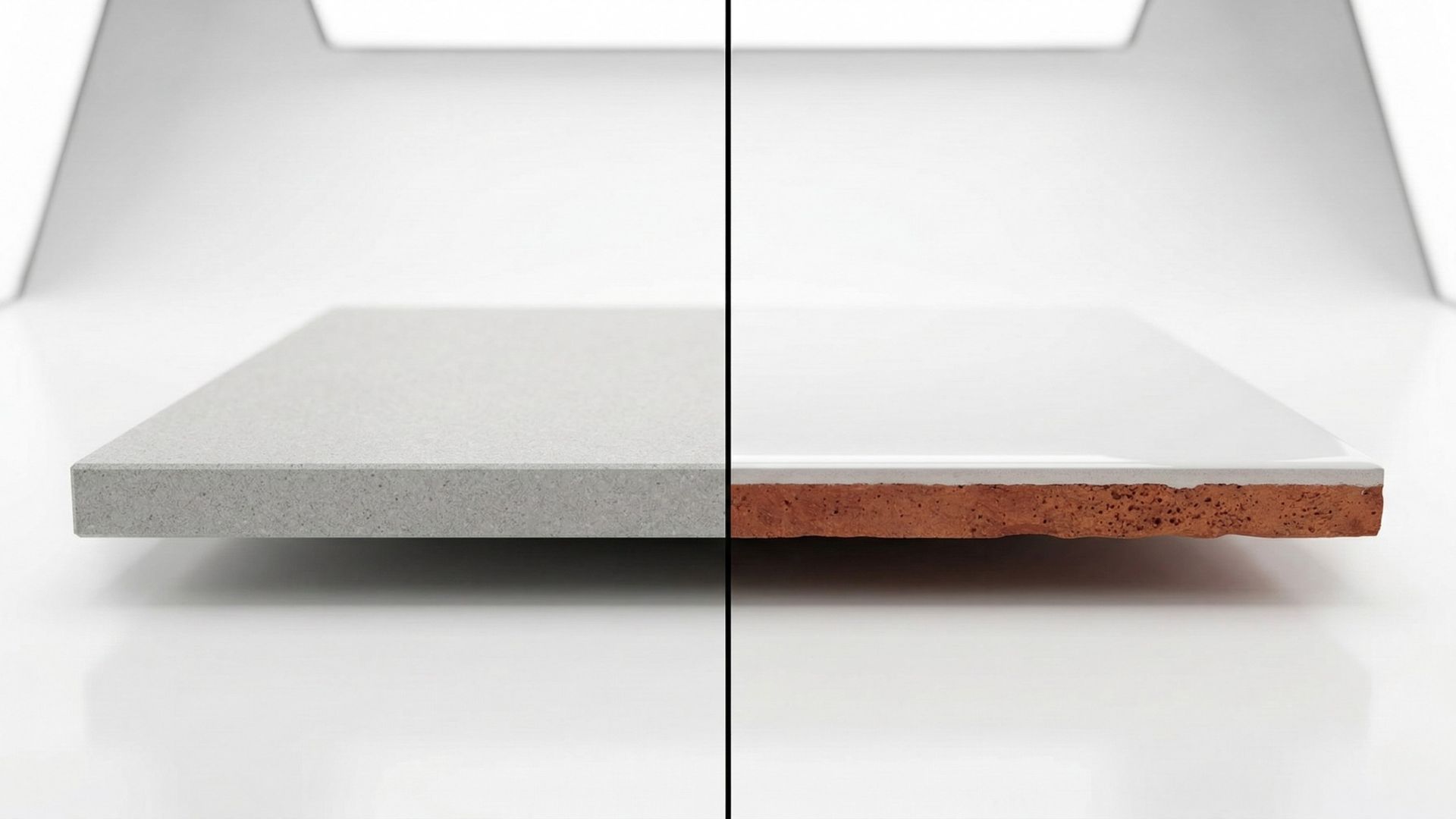
Ceramic tiles are made from natural clay (white, red or brown), shaped, glazed and fired in a kiln at temperatures below 1,100°C. The result is a lighter, slightly more porous tile with a smooth glazed surface.
Porcelain tiles go a step further. They are made using a finer, denser white clay mixed with feldspar and sand, then pressed under much higher pressure and fired at temperatures above 1,200°C. This intense process removes almost all air pockets and moisture from the tile, creating something considerably harder, denser and less porous than ceramic.
Think of it like bread and a cracker. Same basic ingredients, but a completely different result depending on how they are made.
The Key Differences Between Porcelain and Ceramic Tiles
Water Absorption
This is the big one. The official classification between the two comes down to water absorption. Tiles that absorb less than 0.5% of their weight in water are classified as porcelain. Tiles above that threshold are ceramic.
In practice, this means porcelain is far more resistant to moisture, staining and damp. Ceramic tiles are not absorbent in any dramatic sense, but they do take on more water than porcelain and can be vulnerable in areas with constant water exposure over time.
Durability
Porcelain wins here. Its density makes it harder-wearing, more scratch resistant and better at handling heavy footfall. Ceramic is still a tough tile, well made and long lasting, but it is better suited to lighter use.
Porcelain tiles can last for decades under normal conditions, while ceramic tends to perform best in moderate-traffic areas. Those numbers are worth keeping in mind for high-use areas like hallways or kitchens.
Weight and Installation
Here is the trade-off. Porcelain’s density makes it heavier and harder to cut. A professional installer will typically need a diamond blade wet saw to cut porcelain accurately, while ceramic can often be cut with a standard snap tile cutter. This means porcelain usually costs more to fit as well as to buy.
If you enjoy DIY, ceramic tiles are more forgiving to work with. If you are hiring a tiler either way, the installation difference matters less in the end.
Cost
Ceramic tiles are the more budget-friendly option. The tiles themselves cost less, and fitting them costs less too. Porcelain commands a premium for good reason, but it is worth weighing that upfront cost against long-term durability.
For a room you are tiling once and want to last decades, porcelain can be the smarter investment. For a lower-traffic space or a rental property, ceramic offers excellent value.
Look and Finish Options
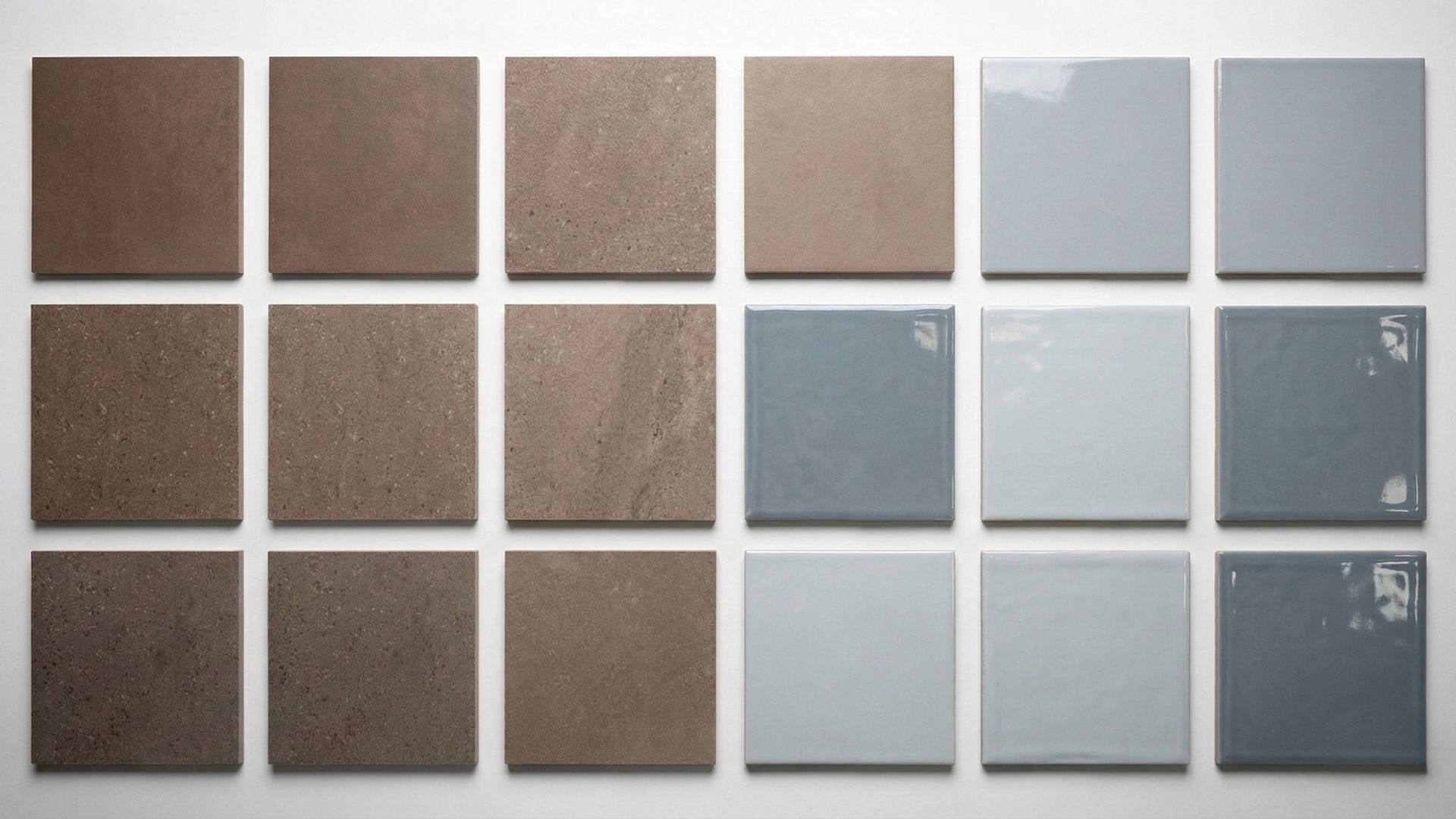
Ceramic has historically had an edge here. Because it is easier to glaze, it comes in a wider range of colours, patterns and decorative finishes. Bold prints, intricate designs and vivid colours are often more achievable in ceramic.
That said, modern printing technology has closed the gap considerably. Today’s porcelain tiles convincingly replicate natural stone, concrete and wood finishes to a very high standard.
Which Tile Works Best in Each Room?
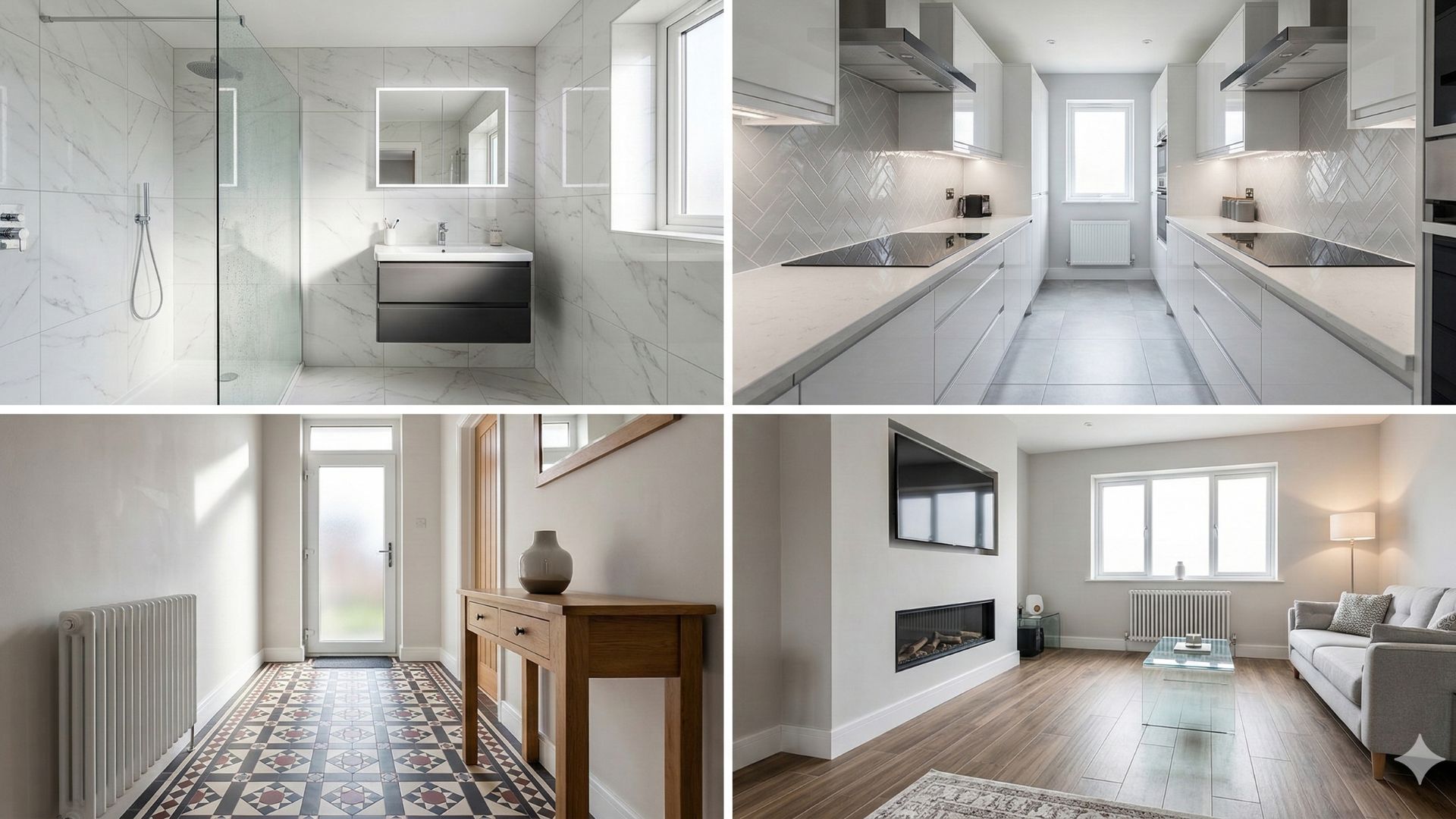
This is the question most guides forget to answer properly. Here is a room-by-room breakdown.
Bathroom and wet rooms: Porcelain is the stronger choice for bathroom floors and wet rooms. Its low water absorption means it handles constant moisture without degrading or staining. For bathroom walls, both tiles work well, but porcelain gives extra peace of mind in a humid environment. Browse our full range of bathroom tiles to find the right fit for your space.
Kitchen: For kitchen floors, porcelain holds up better to dropped items, grease splashes and heavy foot traffic. For kitchen walls and splashbacks, ceramic is a popular choice thanks to its wider range of patterns and lower price point. Either works well, so let the design lead the way.
Hallways and high-traffic areas: Go with porcelain. Hallways take a battering every single day, and ceramic simply is not built for that level of wear. A porcelain floor tile with a PEI rating of 3 or above is the sensible choice for any busy entrance area. Explore our floor tiles collection, including a wide range of durable porcelain options.
Living rooms: Both work well here. Traffic is generally lighter, and the choice usually comes down to aesthetics. Porcelain’s stone and wood-effect finishes are particularly popular in living rooms for a sleek, contemporary look.
Outdoor spaces: Porcelain only. Ceramic tiles are not suitable for outdoor use in the UK. Our climate puts tiles through repeated freeze-thaw cycles, and because ceramic absorbs more water, that moisture freezes inside the tile and causes cracking. Porcelain’s low absorption rate means it holds up through cold, wet winters without issue.
Best Tile for Shower Walls: Ceramic or Porcelain?
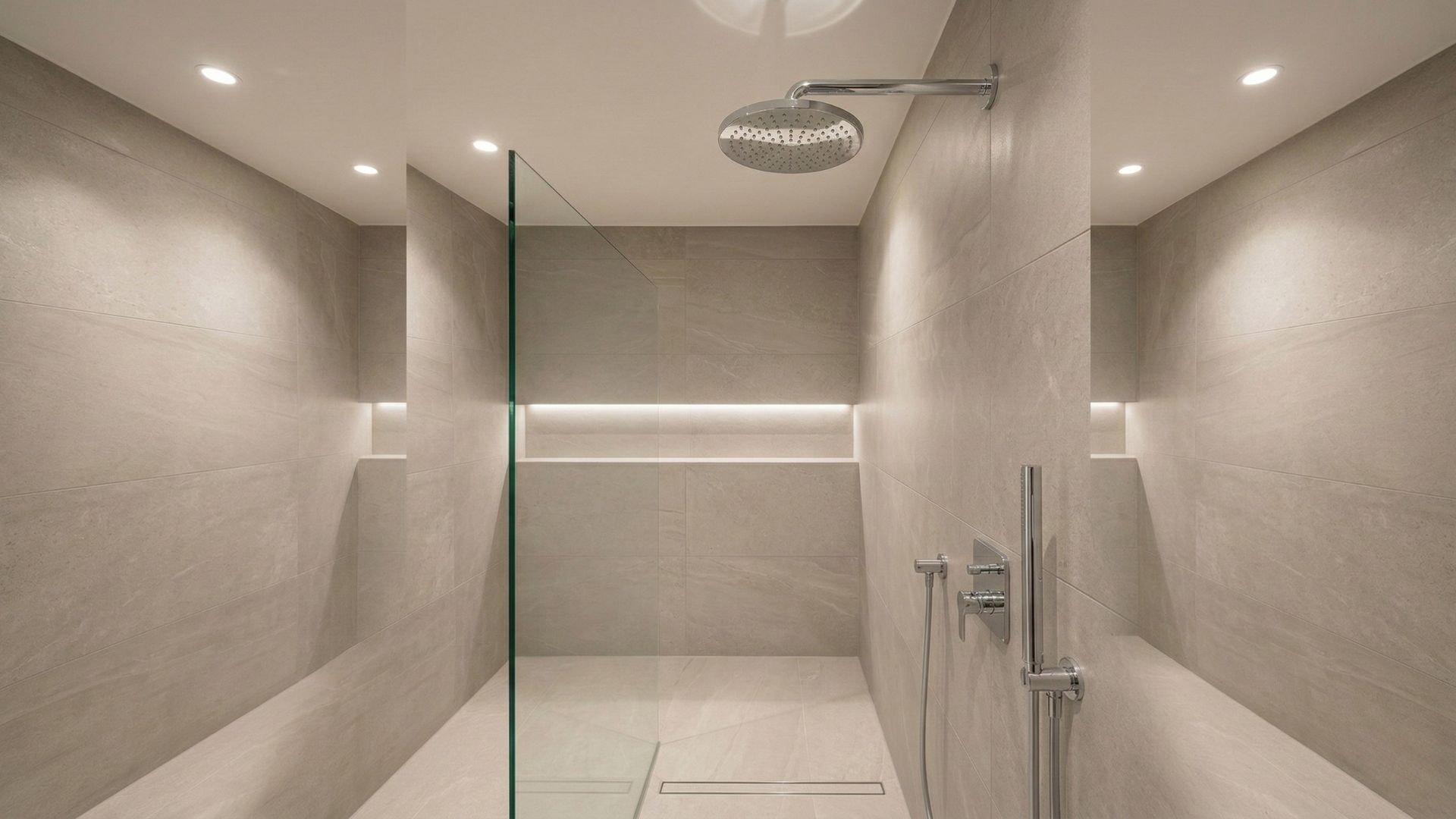
For shower walls, both ceramic and porcelain can work. Shower walls do not take the same physical punishment as floors, so durability is less of a concern. The real consideration is moisture resistance.
Porcelain is the safer long-term choice for shower walls. Its near-zero water absorption means even with daily use, there is minimal risk of moisture working its way into the tile itself. It is also less prone to staining from soap, hard water and shampoo residue.
Ceramic tiles can work perfectly well on shower walls, especially if you are on a tighter budget or want a specific decorative finish only available in ceramic. The key is ensuring grout lines are properly sealed and waterproofed throughout.
For a walk-in shower or wet room used every day, porcelain is the stronger choice. For a family bathroom that sees moderate use, a quality ceramic wall tile does the job beautifully. Browse our wall tiles range for both options.
Porcelain vs Ceramic: Quick Comparison
| Porcelain | Ceramic | |
| Water resistance | Excellent (below 0.5%) | Good (above 0.5%) |
| Durability | Very high | Moderate |
| Cost | Higher | Lower |
| Installation | Heavier, needs specialist tools | Lighter, easier to cut |
| Design options | Wide, including stone and wood effects | Very wide, especially decorative |
| Best for floors | Yes | In low-traffic areas |
| Best for walls | Yes | Yes |
| Suitable outdoors | Yes | No |
| DIY friendly | Less so | Yes |
Frequently Asked Questions
Is porcelain better than ceramic for tiles?
Porcelain is more durable and water resistant, making it the better choice for floors, wet areas and outdoor spaces. Ceramic is a great option for walls, decorative finishes and tighter budgets.
Can you use ceramic tiles in a shower?
Yes, ceramic tiles can be used on shower walls. They are not recommended for shower floors due to greater water exposure at ground level. Porcelain is the more reliable long-term choice for both.
Are porcelain tiles harder to lay than ceramic?
Yes. Porcelain is denser and harder to cut, which means installation requires more skill and specialist tools. It is generally worth hiring a professional tiler for porcelain work.
Which is cheaper: porcelain or ceramic tiles?
Ceramic tiles are usually cheaper to buy and to install. Porcelain costs more upfront but tends to last longer, which can make it the better value over time.
Find Your Perfect Tile at Tile Basket
At Tile Basket, we stock a wide range of both ceramic and porcelain tiles across every finish, size and style. Whether you are after a practical floor tile for a busy hallway, a decorative wall tile for a kitchen splashback or a moisture-resistant option for your bathroom, there is something for every home and every budget.
Browse by room, by material or by look. And if you are not sure where to start, we are always happy to help.